

Papiamento, Pan Bati, and the Heart of "Bon Bini" Hospitality!
More Than Just a Postcard View
It is incredibly easy to spend your entire Aruban vacation with your eyes fixed on the horizon. We get it: the turquoise water of Eagle Beach is hypnotic, and the sand feels like walking on powdered sugar. But to truly "get" Aruba, you have to look behind the beach chairs and into the heart of the people who make this the "One Happy Island."
At Eagle Aruba Resort, we are big believers that the best vacations happen when you step out of the resort bubble and into the local rhythm.
Whether you’re exploring our on-site recreation or heading into town, Aruban hospitality is just iconic. It’s built on a foundation of "Bon Bini" (Welcome), and it’s something you can feel the moment you arrive.

From Arawak Roots to Modern Spirit
To truly understand the "One Happy Island," you have to look back long before the first resorts appeared on Eagle Beach. The soul of Aruba is anchored by the perseverance of its people, a spirit inherited from the Caquetio Indians of the Arawak tribe. These original inhabitants were master navigators and artisans who thrived in Aruba’s rugged, semi-arid landscape for centuries.
This indigenous backbone is exactly why Arubans are so remarkably resilient. Living on a dry, sun-drenched island required a special kind of grit and ingenuity. That same "can-do" attitude is what transformed Aruba from a fishing outpost into a world-class destination. When you speak with a local today, that warmth and hospitality you feel is a cultural trait passed down through generations of people who learned that community and kindness were the keys to survival.
The Melody of Papiamento
You’ll hear it the second you walk through our lobby or grab a drink at the bar: a rhythmic, soulful tongue that sounds like a mix of several different worlds. This is Papiamento. It’s a linguistic masterpiece born from Portuguese, Spanish, Dutch, English, and African dialects. It’s a living history of Aruba’s past as a global crossroads.
In the 17th and 18th centuries, Aruba was a whirlwind of cultures. The language emerged as a way for indigenous Arawaks, enslaved Africans, and European settlers (Spanish, Portuguese, and Dutch) to find a common ground. It is a blend of African syntax, Arawak influence, and European vocabulary. For centuries, Papiamento was preserved in the homes and hearts of the people, eventually becoming the official language it is today. When you hear it spoken at our amenities or during recreation, you’re literally hearing the sound of a people who refused to be divided.
While almost everyone on the island is a multilingual pro (speaking English, Dutch, and Spanish fluently), the fastest way to see an Aruban’s face light up is to try a few words in their native language. Check out these essentials:
- "Bon Bini!" – Welcome! (You’ll see this on everything from airport signs to doormats).
- "Hopi Bon" – Very good. Use this when your waiter asks how your dinner is.
- "Dushi" – Our absolute favorite word. It means sweet, tasty, or even "sweetheart." It’s the ultimate Aruban compliment.
- "Pasa un bon dia" – Have a good day.

Aruba’s Golden Treasure: The Art of Pan Bati!
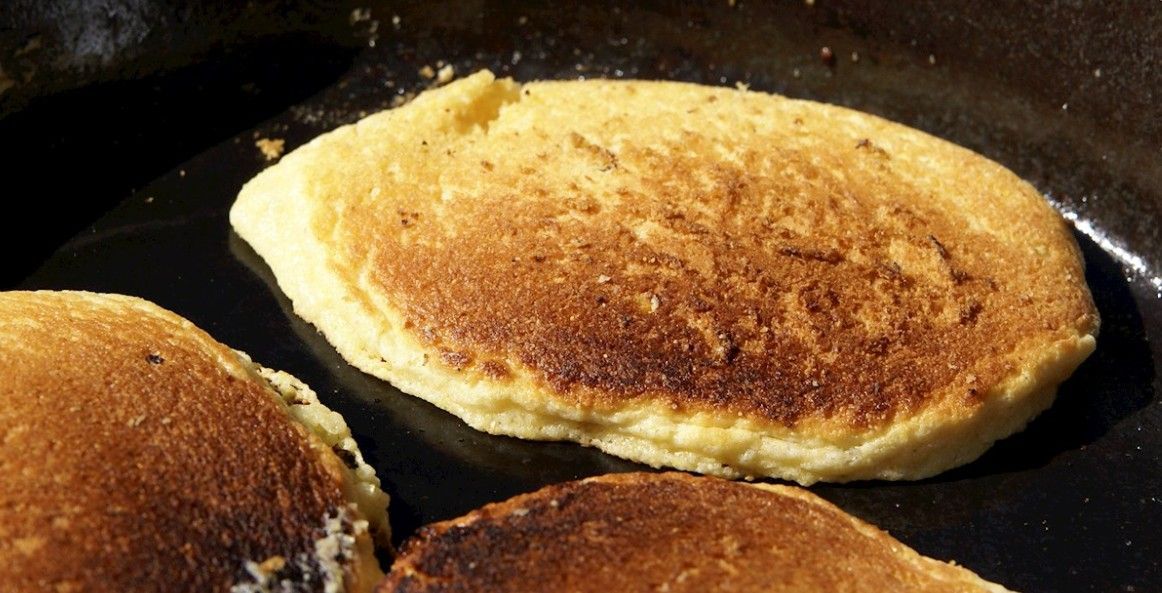
If Aruba had a national comfort food that felt like a warm hug, it would be Pan Bati. Translated literally from Papiamento as "beaten bread," this local staple is somewhere between a thick pancake and a fluffy flatbread. It’s the ultimate versatile companion to any Aruban meal.
Made from a simple yet perfect blend of cornmeal and flour, Pan Bati is traditionally "beaten" or flipped on a clay comba (griddle) until it reaches a golden-brown finish. Its texture is unique: slightly sweet, delightfully airy, and incredibly absorbent. Whether you're using it to soak up a rich seafood stew, enjoy it as a side for breakfast, or simply spread a little local butter on it while it's still warm, it is a taste of home for every Aruban. No culinary tour of the island is complete without experiencing this "beaten bread" at a local eatery just minutes from our location.
Tuesday Traditions: The Bon Bini Festival
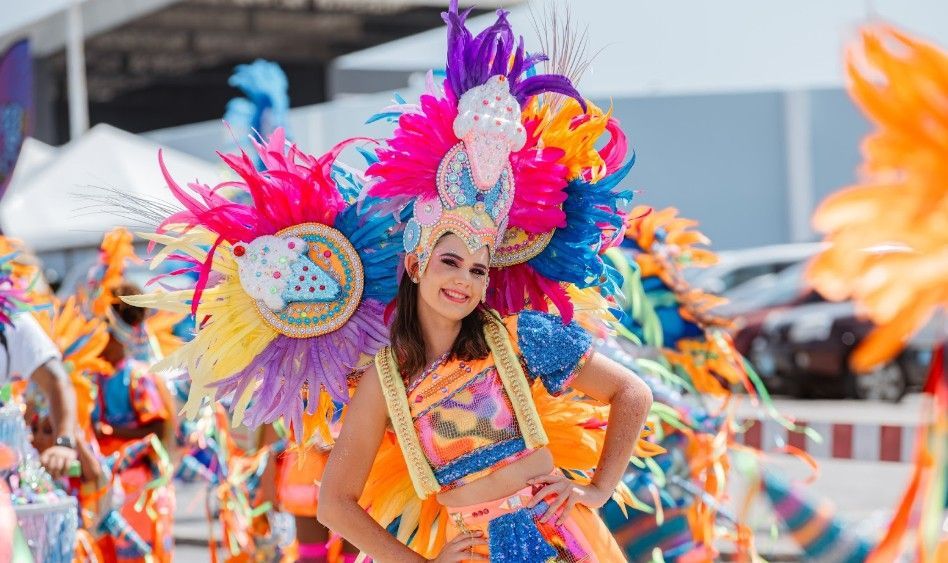
If you want to see all of this: the language, the food, and the spirit, come together in one place, you have to visit the Bon Bini Festival. Held every Tuesday evening at Fort Zoutman (the island’s oldest building), it’s a high-energy celebration of Aruban heritage.
You’ll see folkloric dancers in stunning, hand-stitched costumes, hear the unique mechanical clatter of the
Caha di Orgel (traditional organ grinder), and smell the BBQ smoke drifting through the courtyard. It’s the perfect way to transition from being a "tourist" to being a "guest of the island." You can see more of the island's vibrant cultural colors in our gallery.
Join the Family

At the end of the day, "One Happy Island" isn't just a slogan; it’s a promise. When you stay with us, you’re not just booking a room; you’re becoming part of the local family. From our world-class amenities to the genuine smiles of our staff, we’re here to make sure you experience the real Aruba.